
We build every engagement to feel like a safe harbour for the person who staked their credibility on it. This is what that looks like in practice.
A while ago we worked with a US software company on a full rebrand. The investment was around $250,000, and on the client side the two people responsible were the CMO and an external consultant brought in specifically to lead the project. They had pushed leadership to approve a serious investment with no guaranteed outcome. If it worked, the company would move forward. If it failed, the failure would have their names on it. The consultant did not even have the safety of tenure – she was hired for this. Every project has someone in that position.
“Finding the right agency to work with is a daunting task.”
Hilary Kay,
Marketing Leader at Level Equity
The daunting part is not choosing a portfolio. It is knowing that once the contract is signed, your judgment is attached for months to work you cannot do yourself and largely cannot see being done.
Most of that anxiety lives in ordinary weeks, not dramatic moments. What is actually happening right now? If something were going wrong, would I know? What do I tell my CEO beyond “fine”? A project can be perfectly on track and still feel opaque from the client’s chair, and opaque is where worry grows.
We want our clients to feel like they entered a safe harbour. Not because we say reassuring things, but because the structure makes them visible. Anxiety is not managed with reassurance. It is managed with structure. Here is what that structure looks like.
Before the client sees anything
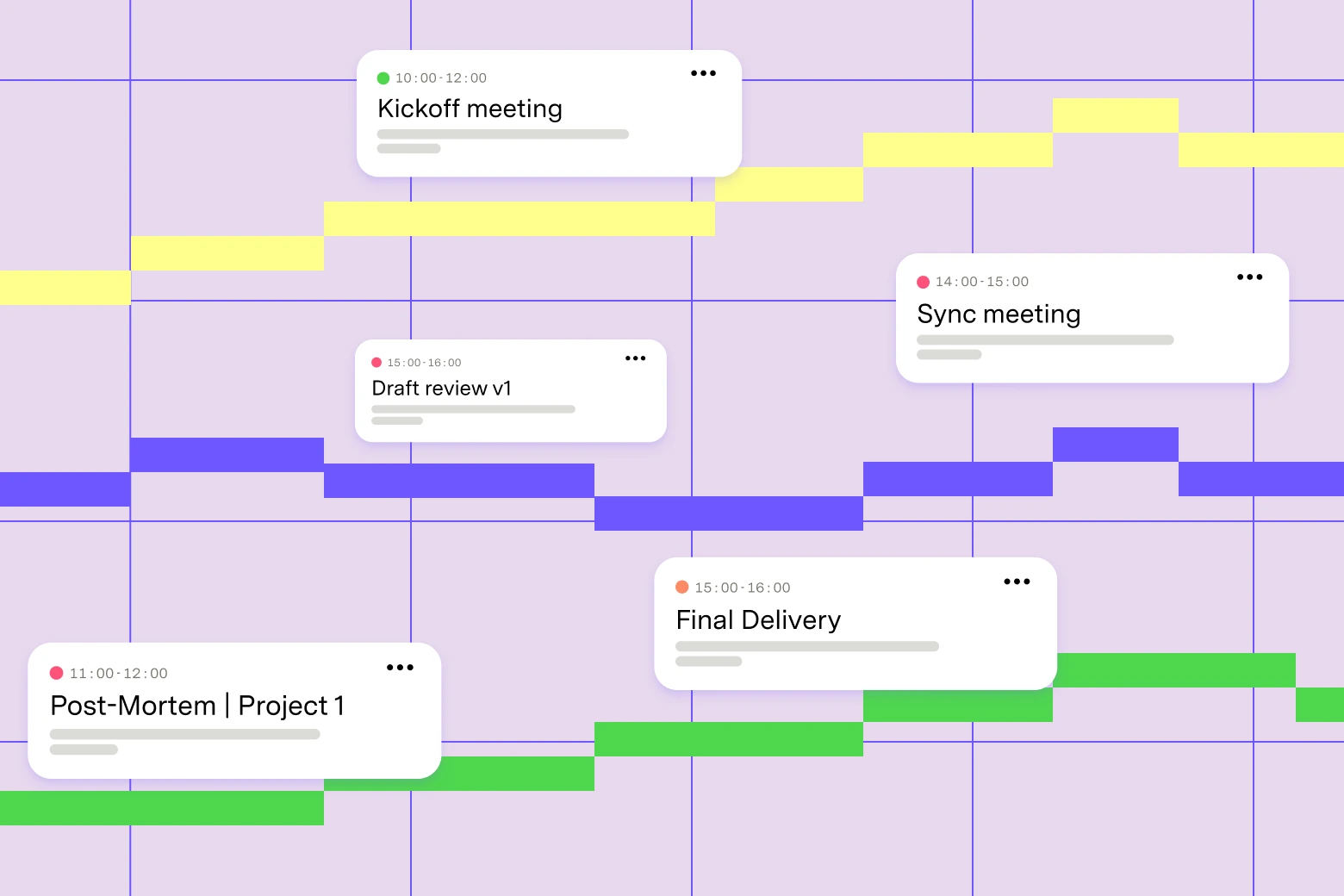
Every project starts with an internal kickoff the client never attends, and that is the point. The full team reviews what was agreed, the goals, the scope, the open questions, and who owns what. By the time the client kickoff happens, nobody on our side is hearing anything for the first time.
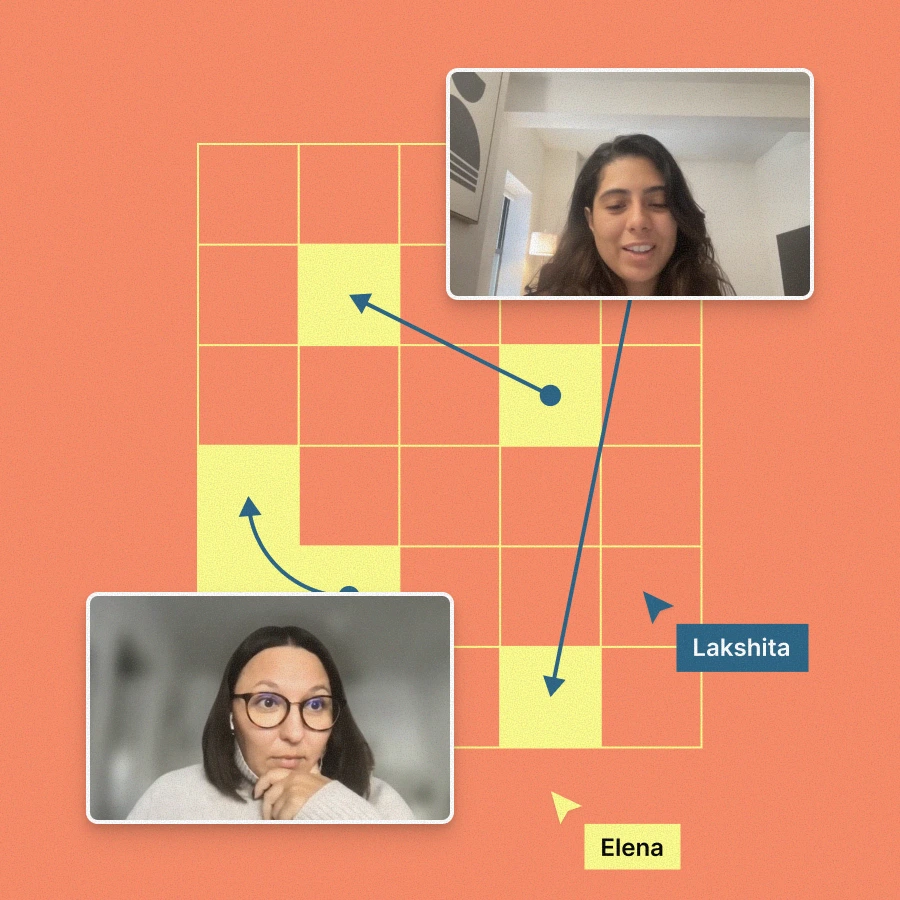
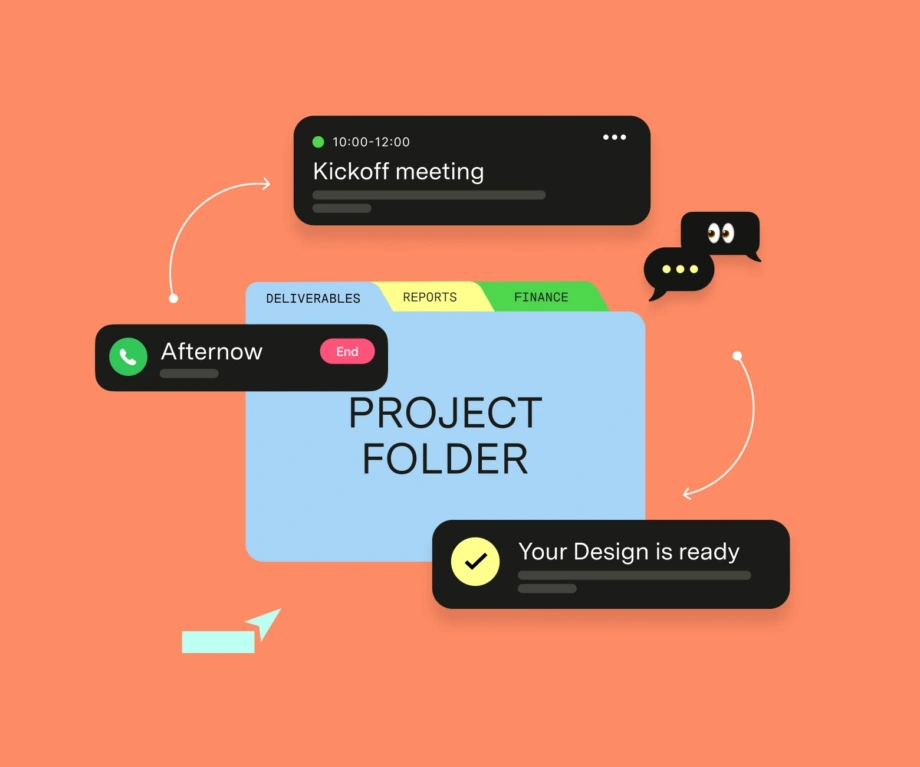
The client kickoff removes the unknowns that make week one uncomfortable. Everyone who will touch the project is introduced as one combined team, each person explains their role, and each phase is explained by the person who will run it. We walk through the timeline, open the project dashboard the client keeps access to for the entire engagement, set up Slack for daily communication, and schedule the weekly syncs.
Right after, the project manager has a separate call with the client’s point of contact on the mechanics: how to collect feedback, when we need it, which phases demand firm approval and which can be taken more lightly. We also say out loud what people consistently underestimate: collaborating on a project like this takes real time, especially at the beginning. And the major milestones go on specific dates upfront, so the client knows well in advance exactly which days they need to be present. A sponsor who can tell leadership “concepts land in March” sounds in control, because they are.
The ordinary Tuesday
The real test of a project structure is not the milestone, it is the random Tuesday between milestones. On that Tuesday, the client can open the dashboard and see the phase status, what is in progress, and what is waiting on them, without asking anyone.
“They talk us through possible scenarios, making the collaboration feel seamless.”
Kristen Juven,
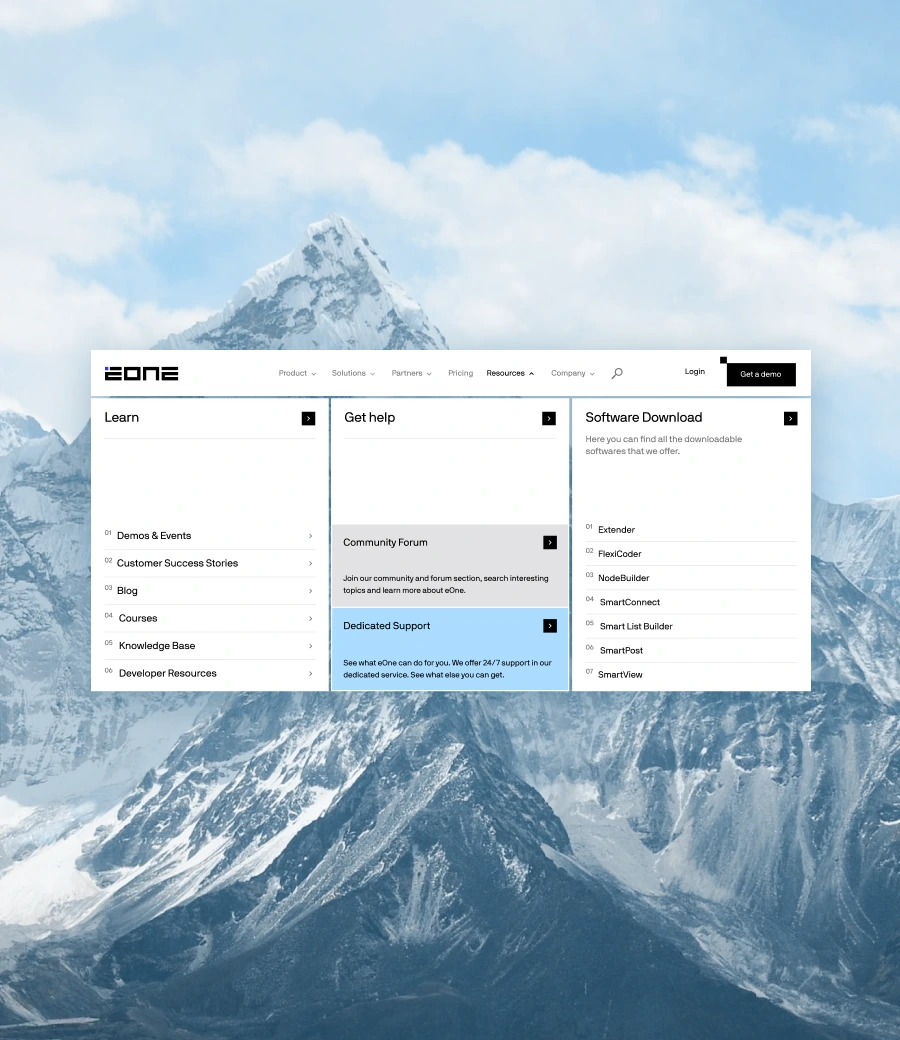
Head of Brand and Digital Experience at eone
It is how she described the effect. Nothing arrives as a surprise, because the possible futures of the project are part of the conversation.
Every weekly sync ends the same way: next steps, when the next update is coming, what it will contain, and when we need feedback to stay on time and on budget. Between syncs, the PM and the client’s point of contact usually have a direct message thread running, and ad hoc requests get answered within hours. The honest limitation is time zones: with our clients mostly in the US and our team largely in Europe, rapid late-night changes are off the table. In practice it often works in the client’s favor: you make a request in your evening, and the update is there when you wake up.
The conversation you cannot have with the team
Everything above handles the project. It does not handle the things a client sometimes needs to say and cannot comfortably say to the people doing the work. “I am not happy with this direction, but I do not want to demotivate the team.” “I need this to move faster, but I do not want to be the villain in the weekly.” Discomfort like that needs somewhere to go, or it either festers quietly or leaks out sideways.
So above the project layer sits a client director, and at Afternow the client directors are the founders. It is a separate relationship with a separate rhythm: a place where the harder things can be said without social cost, to someone who understands the business behind the feedback and has the authority to act on it immediately.
“Rebranding is a tough process, and having a partner that listens, suggests new directions thoughtfully, and grows with you as the market changes is important for success.”
Maria Merkulova,
Director of Growth Marketing at SOLVD
With a healthcare technology company we work with in the US, that relationship is founder to founder. We flew over, had dinner with their team, and got to know them as people rather than as a logo in a portfolio. So when their priorities shifted and they wanted to pivot the collaboration toward a different service, they could say it directly. We reshaped the team around the new focus, and the collaboration got noticeably stronger. A conversation like that is easy to describe and surprisingly hard to have.
The rebrand from the beginning of this article worked the same way. The consultant leading it had a direct line to a client director and a standing meeting every two weeks, separate from the project rhythm, with someone who could make decisions on the spot about resources and scope. By the end, the project she and the CMO had staked their credibility on delivered a full transformation. The structure is part of why.
The engagement then ends the way it began, with clarity. There is a budget review with the client director, so the client understands exactly how their investment was managed, and a closing conversation about the whole of it: the outcome, the deliverables, how the process felt, and feedback in both directions. The client hears what we saw, and we hear what we could have done better.
What this doesn’t fix
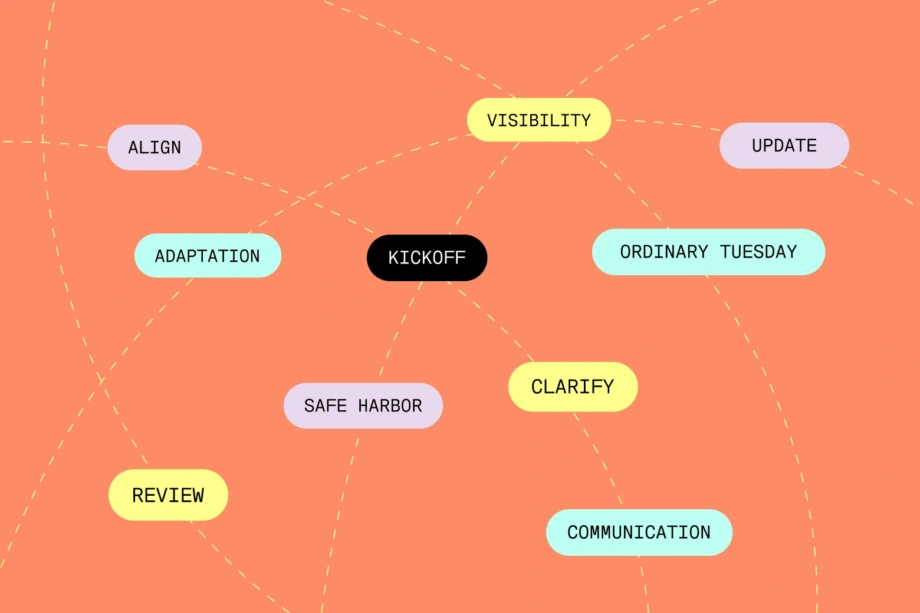
None of this makes a project chaos-proof. Rebrands are complex, opinions collide, timelines wobble, and there are weeks where the structure is the only thing holding steady. That is what it is for. The process was built to reduce chaos, and it does. It cannot prevent it, and we would be suspicious of anyone who claims theirs can.
It is also not finished. What clients tell us in those closing conversations, and what our own team surfaces when we analyse a project internally, keeps changing it. What is described here is the current version, shaped by years of getting parts of it wrong. There will be a next version.
What this means if you are the one buying
Work samples will tell you whether a partner can deliver. They will not tell you what the coming months of your working life will feel like, or what your options are when something needs to change mid-project. For that, ask structural questions. Who do I talk to when I cannot talk to the team? What will I see when I open the project on a random Tuesday? How does a delay reach me, and how fast? What happens at the end so I can account for every dollar to my leadership?
“Our experience was delivered as promised. Our project launch was smooth and the budget stayed within the lines.”
Maxwell Lloyd,
Director of Marketing AT DESCARTES
That is what a sponsor gets to say upstairs, and notice what it contains: no adjectives about creativity, just proof that the bet was safe in the right hands.
The work is what the company buys. The structure is what keeps the project moving smoothly for everyone in it, and what protects the person who signed their name to it. It deserves equal weight in the decision.