
You know something needs to change. The brand still works in parts, but it no longer feels fully accurate. The website feels behind the product. The story takes too long to explain. The company has moved, but the brand has not quite moved with it.
That is usually when the refresh-or-rebrand question appears.
A brand refresh changes how your brand shows up. A rebrand changes what your brand stands for. Which one you need comes down to one question: has the company changed in ways the brand no longer reflects?
That question is bigger than it sounds. It covers the business, the market around it, the competitors, the people inside, and who the company is becoming. Whole categories move and take your position with them, which is why the question is often hard to answer from the inside.
If the company has changed, you need a rebrand. If it has not, a refresh will usually do.
One thing has changed recently: AI has made a generic refresh cheap. That makes this decision more consequential than it used to be, because generic no longer separates anyone. What still does cannot be generated in an afternoon: the strategy underneath, the position it produces, and the craft that makes the expression unmistakable.
The short answer
A brand refresh updates the expression of your brand. It can make the identity sharper, the website clearer, the messaging more current, and the visual system easier to use across channels. But a refresh is not only about catching up. Done well, it can make a company shine brighter than the market around it, inspire the people it wants to convert, and keep a leader looking like the leader. The position holds. The presence rises.
A rebrand changes what the company stands for and how the market understands it. It can mean a new audience, a new category, a new narrative, sometimes a new name, and often a shift in values, ambition, and how the company sees itself. The company is no longer the same company. The brand needs to move because the business already has.
That is the simplest distinction. A refresh raises how the company shows up. A rebrand changes what the market understands it to be.
What a brand refresh changes, and what it leaves alone
A brand refresh is right when the foundation still holds. The company knows what it stands for. The audience is still right. The offer still makes sense. The name still carries value. The brand does not need to be rebuilt from the ground up, but the way it shows up is no longer doing the company justice.
Sometimes that means the expression has started to lag: the website feels dated, the product visuals do not explain the platform clearly, the identity does not scale across new formats. And sometimes nothing is lagging at all. The company simply needs to shine brighter than a market that is catching up around it. Both are refresh territory. In both cases, the better move is to keep the equity and raise the expression.
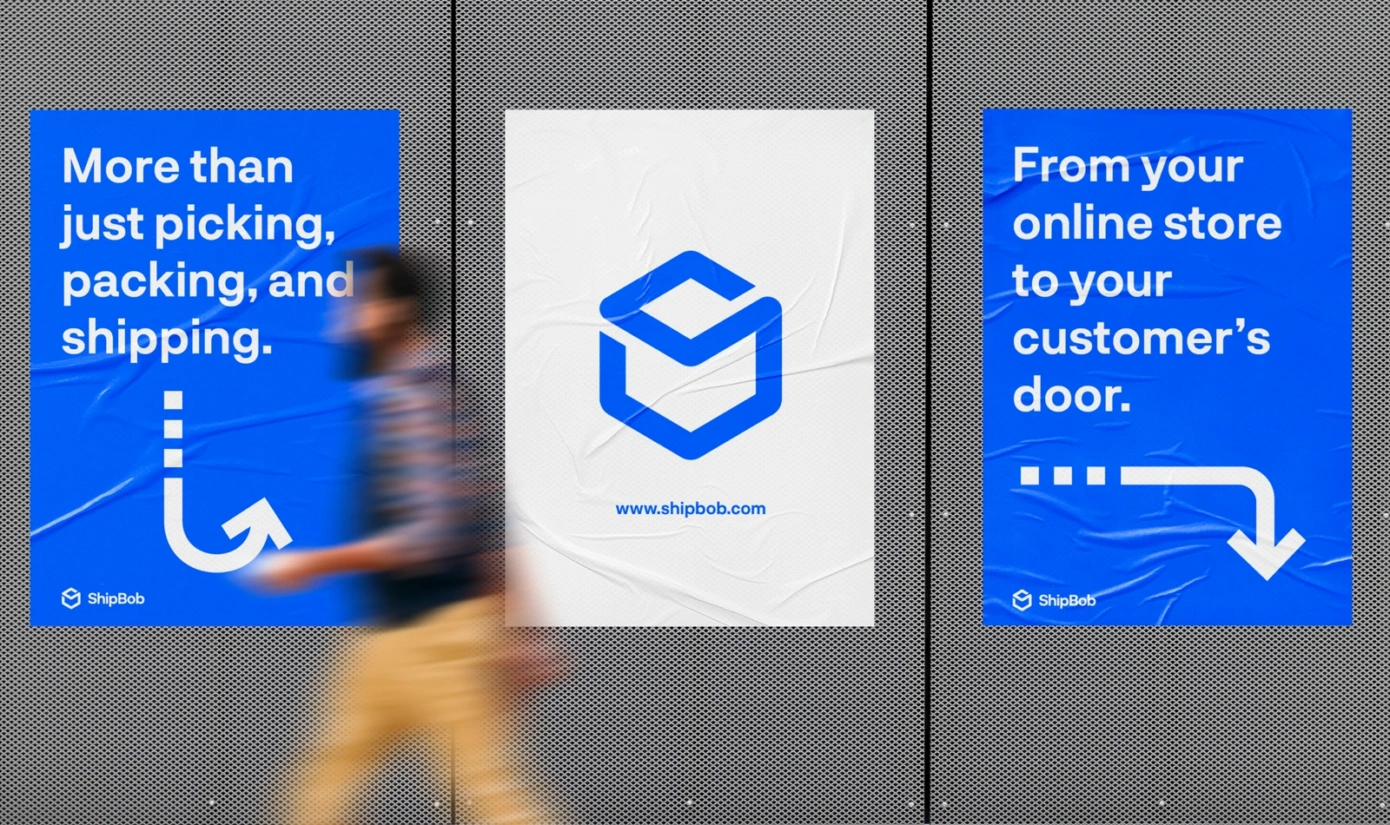
ShipBob is a clear example. A fast-scaling logistics company whose brand needed to express the human side of its operations. The logo was modernised, a new design language was introduced, and real warehouse photography and employee portraits put people at the centre of the brand and the website. Nothing about what ShipBob stood for changed. The refresh made it visible, and conversion rose 27 percent across all traffic sources within 30 days of launch.
Playbypoint and Invoca sit in the same territory, each from a different angle. Playbypoint kept everything it had built and gained a sharper visual and narrative identity, one that finally reflected the caliber of the platform to sophisticated operators in an increasingly competitive market. Invoca had strong brand equity that years of inconsistent treatments had diluted. The refresh turned that equity into a mature, flexible system the entire company could adopt and execute confidently, without losing control of the brand.
A refresh can still be deep. It can involve a full website redesign, a stronger design system, clearer product visuals, motion, messaging, and a more consistent way of showing the brand. But the strategic centre stays the same. The brand becomes clearer, and stronger, without becoming someone else.
What a rebrand changes
A rebrand is needed when the company has changed in a way the current brand can no longer explain. It is not a stronger colour palette or a better website, although both may be part of it. The real reason for a rebrand is that the meaning has moved: what the company is, who it serves, what it values, and where it is going.
Maybe the company is entering a new category. Maybe the product has outgrown the original story. Maybe the audience has changed, or the company has doubled and what it is today no longer reflects who it wants to become. Maybe the name itself carries the wrong associations. At that point, a refresh only treats the surface.
Charted shows the full scope. A legal conflict forced the name change, but the name was only the beginning: complete strategy, naming, positioning, messaging, identity, communication, and website, built around a strategic platform that repositioned the company in its category. The rebrand did not update the company. It gave the market a new company to understand.
Holocene needed similar depth for a different reason. The company was evolving from startup to scale-up, and the product and the marketing no longer spoke the same language. The work was a strategic overhaul that matured the entire outlook, so that what the company had become and how it presented itself finally matched. That maturity is now a competitive advantage in a technical industry.
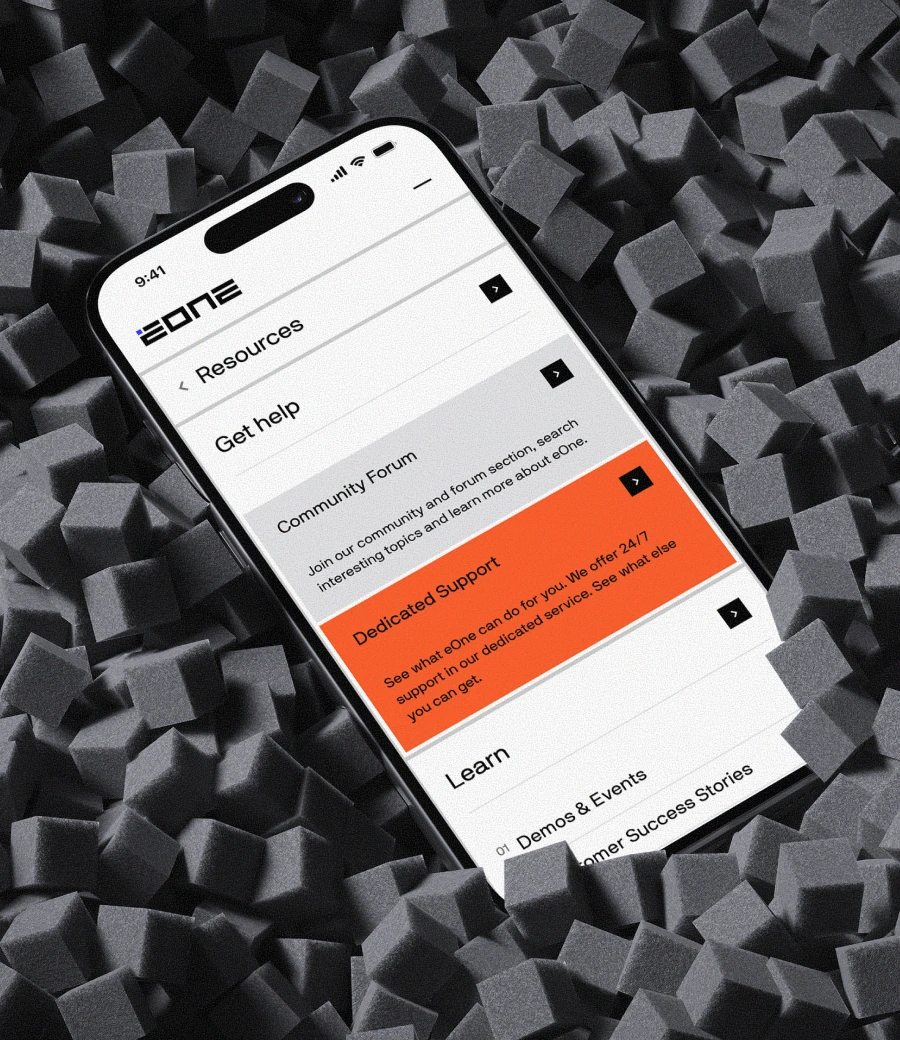
Popdock AI is a third shape of the same territory. eOne had two decades of integration credibility, but Popdock AI needed to enter the market as a new AI product. The work had to explain a new role, Popdock AI as the secure foundation connecting AI platforms to business systems, while still carrying enough trust from the parent brand.
Three different triggers, one common thread: the market needed a new way to understand what the company now means.
Generic got cheap. The decision didn’t.
Most companies frame the refresh-or-rebrand question visually. Do we need a new logo, a new website, a new identity. Useful questions, but no longer the first ones.
Here is what changed. AI-native design tools can now produce a generic identity, a clean website, and consistent visuals in a fraction of the time that level of production used to take. For some companies, generic is enough. It is also the risk: the output is generic by construction, identical to everyone else who ran the same tools. You can see the result on any category page: every competitor looks equally polished, and equally interchangeable.
When everyone can look current, looking current stops being a difference. It becomes the baseline. What cannot be generated is the strategy underneath: knowing how to outpace your competitors at the moments that matter, the position that thinking produces, and the craft that expresses it across everything the market sees. A tool can give you a generic surface. It cannot decide what your company stands for, who it is for, or what it is willing to not be.
This does not make craft worthless. Craft is still what separates the top of a market from the middle of it, and it is how a position becomes believable in every detail. But craft now amplifies a decision. It cannot substitute for one.
This is why the deciding line is not taste, and not even budget. It is whether the company has moved. Has the business changed shape. Has the market compressed around you. Are you entering a new market, juggling too many sub-brands, expanding faster than the story, pivoting into something the old brand cannot explain. If none of that is true, a refresh will keep you where you need to be, or put you ahead. If it is, no amount of surface quality will close the gap between what the market believes you are and what you have become.
How to tell which one you need
You probably need a refresh if the company direction still feels right, but the expression is no longer doing it justice. The audience has not changed. The offer is still clear. The name still carries value. The strategy still works. What needs to rise is how the brand shows up: the website, the identity, the messaging, the product visuals, the consistency across touchpoints, or simply the level of presence the market now demands.
One honest caution before the rebrand signals. Most companies that get this choice wrong do not get it wrong by analysis. They choose the refresh because it is the decision that does not require a decision. It updates the surface without forcing anyone to answer what the company has become. That is exactly why it so often disappoints.
You probably need a rebrand if the company has moved and the brand is still telling the old story. That might mean a new audience, a new category, a new business model, a new level of ambition, or a major shift in how the company needs to be perceived. The strongest signal is usually friction, and it shows up in the rooms that matter most. Sales needs to explain too much. Investor meetings start with correcting an old impression. The website attracts the wrong people, and hiring conversations sell a company that no longer exists. The market remembers a version of the business you have already outgrown.
And sometimes the honest answer is that you cannot tell from the inside. Whole categories shift and carry every position in them somewhere new. The business doubles and nobody stops to ask whether the brand kept up. This is precisely where an outside partner earns their place: not to sell you the bigger project, but to tell you which problem you actually have.
Afternow is our own example of the rebrand side. Moving from BB Agency to Afternow was not just a visual update. It marked a new chapter for the company: a different level of ownership, a different way of working, and a clearer expression of the role we want to play for clients. A refresh would have changed how the old brand looked. The rebrand changed what the company was able to say.
The cleaner way to decide is to look forward, not backward. Not “has our brand aged,” but “what does the business have to do in the next twelve to eighteen months, and can the current brand carry it.”
Moving upmarket puts your brand in enterprise procurement rooms it was never designed for. Preparing for funding puts it in front of investors who will read the gap between your traction and your story as risk. Category leadership under threat puts it next to challengers whose entire narrative is that you are the old way. Entering a new market asks it to explain you to people with no history of you. Each of those moments makes its own demand on the brand. The right choice is whichever one meets that demand, and that is a business calculation, not a visual one.
Cost, time, and risk
A refresh works with existing equity, so it is faster and carries less risk to recognition. And it has become faster still. Two years ago, a refresh project took us roughly two months. Today we deliver strong concepts and guidelines within three weeks. Part of that is our own process maturing. Part of it is AI removing the redundant manual layer: research, concept exploration, and communication work that used to consume weeks now moves in days. In good hands, that recovered time does not disappear. It gets reinvested where the difference is made. Custom photography that is on brand, instead of a stock gallery that is close. More directions explored before the first workshop, so the workshop starts further ahead. More craft in the details a buyer feels without naming. A well-executed refresh delivers more per month today than it did two years ago.
What AI did devalue is the generated refresh: the template pass that makes a brand look current, and identical to everyone else who ran the same tools. Your competitors have access to the same speed. They do not have access to the same craft, because AI is not there. So the question to ask of any refresh is not how fast it can be done. It is what the speed is being spent on.
A rebrand is heavier because the decision is heavier. It touches positioning, messaging, identity, website, sales materials, and internal alignment. And the strategic work at the centre of it has not been compressed at all. Deciding what a company stands for takes the same hard conversations it always did. Done properly, meaning strategy and communication rather than identity alone, a rebrand runs anywhere from two to six months. The range is not indecision. It reflects the depth of the change, the number of touchpoints the brand has to reach, and how quickly the client organisation itself can adopt it.
The risk math has shifted too. The traditional risk of a rebrand is losing recognition. The current risk of avoiding one is drifting into sameness while your category gets redefined around you. For an established company, the expensive scenario is no longer the rebrand budget. It is holding an old position while the window to claim a new one closes.
We have watched both sides of that math play out. A company well past the startup stage, with well over a hundred million raised, bought a refresh under cost pressure at a moment when the company itself had moved. The work came back talking like a startup, because that is what was purchased. The project was cancelled, and repairing it cost more than doing it right the first time would have. And we have measured the other side: after one relaunch we worked on, conversion rose 27 percent, and the company raised $268 million in the months that followed.
One company doubled in revenue, going from 7 figures to 8 figures. Another company unlocked multiple funding rounds, another increased conversion rate by 160% because now they had a brand that supported their claims during sales calls.
The gap between those outcomes was not budget. It was whether the choice matched the moment.
Neither route is automatically safer. The safer option is the one that matches the real problem.
Examples of each
On the refresh side: ShipBob kept its position and made its human side visible, with a 27 percent conversion lift within 30 days. Playbypoint kept everything it had built and gained an identity that finally matched the caliber of the platform. Invoca turned diluted equity into a mature system the whole company adopted. In each case the equity stayed, and the presence rose.
On the rebrand side: Charted needed a complete strategic rebuild, from naming and positioning through identity and website, and entered its category as a new company. Holocene needed its brand to mature as fast as the business had, so product and marketing finally spoke the same language. Popdock AI needed a new role explained to the market while carrying two decades of parent-brand trust. And Afternow is our own: the rebrand changed what the company was able to say.
In every case, the deciding question was not “how much should the brand change?”. It was “what has actually changed in the business?”
Still not sure?
Start with the business, not the visuals.
Has the company changed, or does the expression need to rise? If the company has not changed, refresh the brand. If it has, rebrand it.
The wrong choice is usually expensive because it solves the wrong problem. A refresh cannot fix a position that has moved. A rebrand should not be used to fix taste.
And if the honest answer is that you are not sure whether the company has changed, that is its own question, and it deserves its own answer: how to tell when you have genuinely outgrown your brand.
If the answer is already clear and you want a partner to pressure-test it, that is what our brand strategy work is for.
Your questions answered
Yes. A refresh updates your visual identity, messaging, website, or brand system while leaving your positioning, name, and strategy intact. It is the right route when your direction still holds and the expression needs to catch up, or rise above a market that is catching up with you.
No. A rebrand changes what the company stands for and how it is perceived. A name change is only sometimes part of it. Many rebrands keep the name and reset the story, identity, messaging, and market position around it.
There is no fixed schedule. Some companies refresh every few years to stay current, but timing matters less than fit. Refresh when the expression falls behind the company, or behind the level the market now demands. Rebrand when the company itself has moved.
Yes, if it is done without a clear reason. A rebrand can weaken recognition and equity when it follows taste instead of strategy. But when the company has genuinely moved, the bigger risk is often keeping a brand that no longer explains the business.
Not a real one, and that is the risk. AI tools can produce a generic identity, website, and visual system quickly, and for some companies generic is enough. But the results look like everyone else who used the same tools, and relying on AI alone puts your brand inside that sameness. What AI cannot produce is the strategy underneath, the decision about what your company stands for, or the craft that makes the expression unmistakable.